Mary McLeod Bethune and the Discipline of Vision
Mary McLeod Bethune’s life reflects the power of disciplined vision expressed through service, education, and unwavering resolve. Born to parents who were formerly enslaved, she transformed personal adversity into institutional impact, building pathways where none existed. This reflection explores her journey, the challenges she faced, the traits she cultivated, and the legacy she intentionally constructed through education, leadership, and strategic action. Her story reminds us that vision paired with persistence does more than inspire, it builds foundations that endure.
2/10/20263 min read
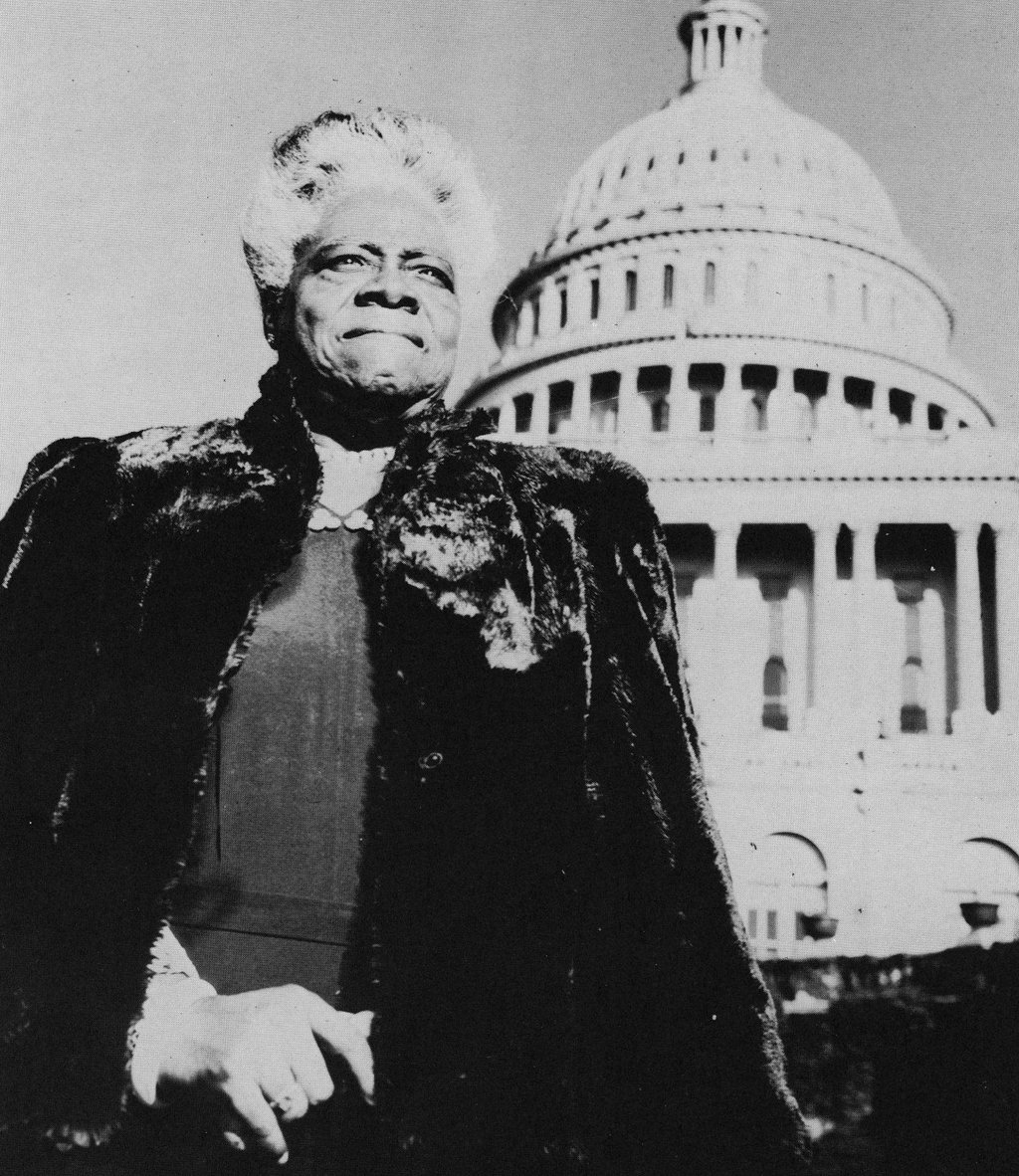
Mary McLeod Bethune stands as a living illustration of disciplined vision meeting determined action. Born in 1875 in Mayesville, South Carolina, she entered life in a nation still hostile to Black progress and structured to restrict Black possibility. She was the fifteenth of seventeen children, raised in a household shaped by agricultural labor and the long shadow of enslavement. From the beginning, she lived close enough to hardship to understand that survival alone was not the goal, and that education could become a doorway to freedom.
Her early relationship with learning began with a moment that many would overlook. She encountered a book, watched someone else claim the right to read it, and felt the sharp lesson of exclusion. That experience did not produce resignation in her, it produced direction. She realized literacy carried power, and she committed herself to gaining it, not for pride, but for purpose. She attended schools that required sacrifice, traveling pathways opened through scholarships, community generosity, and her own persistence, then continued her studies with an emphasis on service, faith, and leadership.
Bethune faced obstacles that were both public and personal. Racism was not subtle, it was enforced through laws, customs, intimidation, and economic restriction. Sexism compounded what was already difficult, since leadership for women was often dismissed or discouraged, even within reform spaces. Yet she met those pressures with a mindset that refused to accept limitation as identity. She developed patience without becoming passive. She developed courage without becoming reckless. She developed strategy without becoming cold.
One of her defining traits was the ability to connect vision to practical steps. She did not speak only in inspiration, she organized systems. She planned, raised funds, negotiated with local power structures, and built credibility through results. She knew that respect is often denied first, then reconsidered after consistency becomes undeniable. Her approach blended spiritual conviction with disciplined effort, allowing her to continue moving forward even when progress seemed slow.
In 1904, she founded the Daytona Educational and Industrial Training School for Negro Girls in Florida. The beginning was modest, marked by limited money, minimal supplies, and constant pressure from a society threatened by educated Black women. Bethune taught students herself, recruited support, and maintained strict standards because she believed excellence was protection and preparation. She emphasized character development, practical skill, and academic growth, shaping students to become capable, confident, and prepared for leadership. Over time, her school expanded, merged, and evolved into what is now Bethune Cookman University, a lasting institution born from a single decision to start with what she had.
What she embodied was purposeful leadership rooted in service. She believed education should cultivate inner strength, not simply provide information. She emphasized self-respect, responsibility, and discipline, because she understood that oppression tries to damage identity before it damages opportunity. Her presence communicated expectation, and her work reflected faith that the future could be shaped through deliberate effort. She built environments where students could see themselves as builders of society, not merely survivors of it.
Bethune also understood that progress required national coordination, not isolated victories. She founded the National Council of Negro Women to unify organizations, amplify advocacy, and increase visibility for Black women’s leadership. Her ability to organize people was matched by her ability to influence policy. She served in major advisory roles and became a prominent voice within the Roosevelt administration, including leadership within the National Youth Administration’s efforts related to Black youth opportunities. She used her access to push for inclusion, fairer distribution of resources, and stronger recognition of Black communities within federal programs.
Her pathway reveals a powerful pattern. She moved from personal hunger for learning to institutional creation, then from local impact to national influence. She did not separate education from economics, or community well-being from political engagement. She emphasized that dignity must be defended through structure, and that structure is built through consistent action. She understood that relationships could become bridges, and she used those bridges to carry opportunity to others.
Bethune’s legacy is not only what she accomplished, but how she chose to move. She practiced persistence with clarity, not stubbornness. She cultivated discipline as a daily standard, not a temporary burst of motivation. She embraced diplomacy without surrendering truth, and she carried herself with a strength that did not need permission to exist. Mary McLeod Bethune created pathways where none existed, built institutions that endured, and demonstrated what becomes possible when vision is paired with courageous, strategic follow through.
Connect
Join our thoughtful community for insights
Contact
Subscribe
info@inkthevision.com
© 2025. All rights reserved.